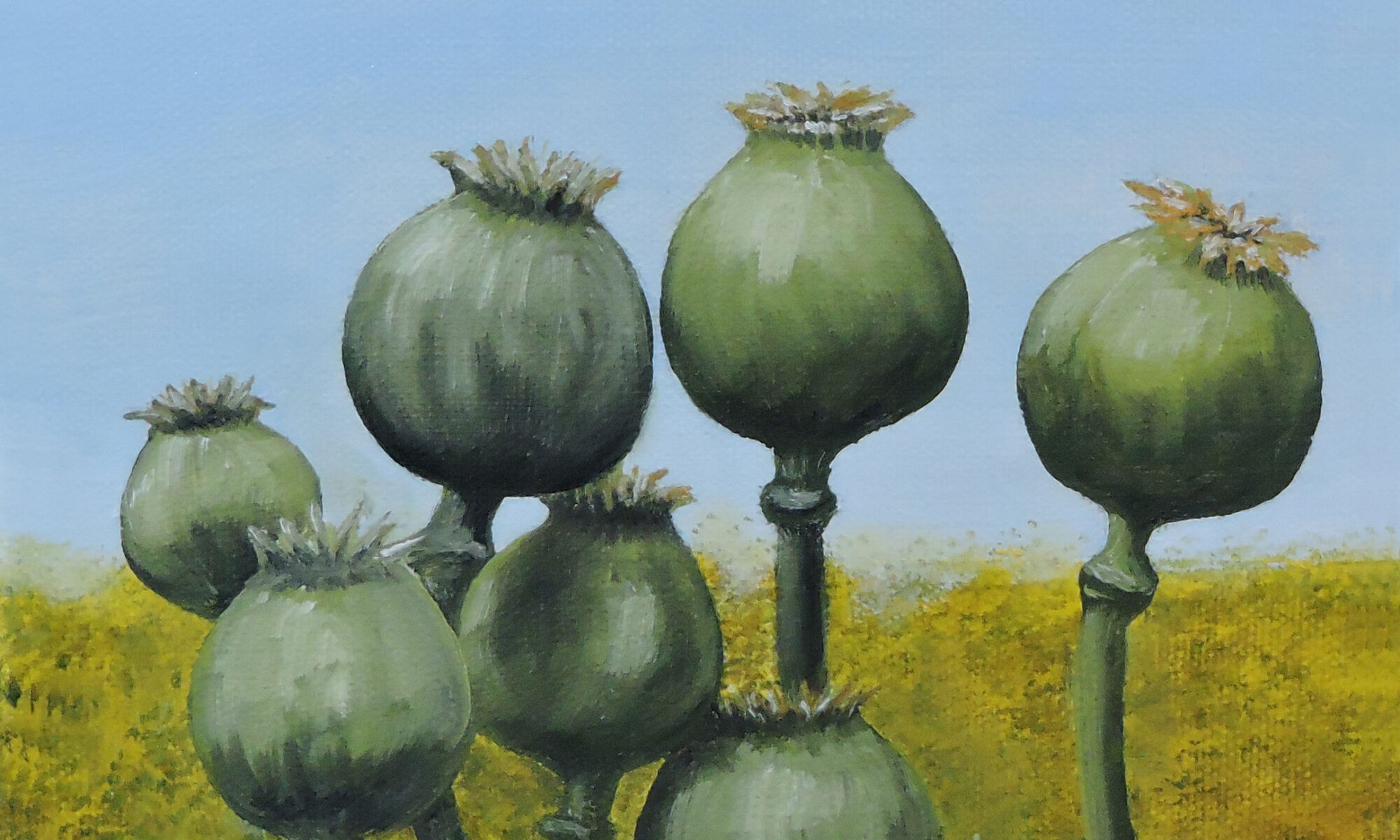


When people ask me about investment oil paintings, they’re usually expecting a complicated formula or some insider trick. But it’s really much more straightforward. When you’re looking at a painting with investment in mind, you’re simply paying attention to the things that give the artwork its identity, its longevity, and its place in the artist’s story. Those details matter just as much as the painting itself.
Understanding What You’re Really Buying
Every painting carries a bit of information that helps you understand what you’re looking at. The title, any inscriptions, and the artist’s signature all contribute to the painting’s history. A thoughtful title can make a piece more memorable, and the signature shows the work truly belongs to the artist. These aren’t technicalities — they’re part of the painting’s documented history, and provenance is something collectors and future buyers pay attention to.
The physical presence of the painting matters too. Size, canvas type, and the way the piece was constructed all play a role in its value. Larger works often require more time and materials, which can place them at a higher price point, while smaller pieces are easier to live with and sometimes more approachable for new collectors. Whether the painting is on gallery‑wrap canvas, stretched canvas, or panel, each choice tells you something about how the artist intended the work to be displayed.
Documentation is another part of the painting’s story. A certificate of authenticity isn’t just a piece of paper — it’s a record that follows the artwork throughout its life. It confirms the painting’s legitimacy and gives future collectors confidence in what they’re buying. Good documentation strengthens the painting’s history and supports its long‑term value.
Condition and the Artist Behind the Work
Condition is something you can’t ignore. Paintings age, and that’s normal, but how they’ve aged matters. Cracks, fading, warping, or flaking can affect value, especially if the damage is significant or poorly repaired. When you’re considering investment oil paintings, you want to know the piece has been cared for — or at least understand what it may need in the future.
And then there’s the artist. Their reputation, their place in the art world, and the demand for their work all influence value. Established artists often command higher prices, but emerging artists can be a smart choice too. If you connect with their work and believe in their direction, you’re not just buying a painting — you’re supporting the growth of their career. Sometimes those early pieces become the most meaningful ones to own.
Investing in oil paintings isn’t about chasing trends or treating art like a stock chart. It’s about choosing work that’s original, well‑made, and grounded in the artist’s hand and story. When you understand what you’re looking at — the identity, the craftsmanship, the condition, and the artist behind it — you’re already making a more informed and meaningful choice. That’s what gives oil paintings as an investment their staying power.
Art Gallery Quick Links
Animals | Flowers | Landscapes | Marine
People | Space Art | Still Life
Additional Reading
Common Misconceptions About Buying Art
Choosing the Perfect Oil Painting for Your Home or Office
Starting Your Own Art Collection
Have a question?
If you have a question about this blog on what to consider when buying oil paintings as an investment, please contact us, and we’ll be happy to answer your questions.
Thanks for reading this!
Feel free to share this with your friends.