
God’s Design for the Artist
As someone who’s spent a lifetime creating, I often wonder how the Bible portrays my love for visual art and how it fits into God’s design. Does Scripture speak to the creative process? Does it affirm the work of the artist’s hands when we shape, carve, craft, sew, or paint with intention?
The answer is yes. The Bible has a lot to say about artistic ability, craftsmanship, and beauty—not just in passing, but in ways that reveal God’s heart for creativity. This isn’t a theological deep dive or a list of proof texts. It’s a simple walk through Scripture to see what God says about art, and how we, as artists and makers, can respond.
From Scripture, we learn…
Artistic Ability is God-Given
Scripture doesn’t just mention artistic ability—it celebrates it as a divine appointment. In Exodus 31, God says He has “called by name Bezalel” and “filled him with the Spirit of God” for the purpose of craftsmanship. That phrase—“called by name”—is significant. It shows that artistic gifting isn’t random or secondary. It’s intentional and personal. God not only gives the ability; He also commissions the artist. We see this in the Bible’s earliest references to visual art—where craftsmanship is Spirit-led, purposeful, and deeply valued.
We also see that this gifting includes wisdom, understanding, and knowledge—not just technical skill. That means artistic ability is holistic: it involves the heart, the mind, and the hands. Romans 11:29 reminds us that “the gifts and the calling of God are irrevocable.” If He’s given you the gift, He doesn’t take it back. It’s yours to steward.
When we recognize our creativity as a gift, we shift our mindset from “What can I achieve?” to “How can I steward what He entrusted to me?” This shift cultivates humility and thankfulness, and it reminds us that our art serves a higher purpose beyond personal acclaim.
Scripture for further reading:
Exodus 28:3; Exodus 31:1–11; Exodus 35:30–35; Romans 11:29
Art is a Skill to Be Nurtured
Throughout Scripture, skilled artisans are honored for their craftsmanship. In 1 Chronicles 22:15, David prepares for temple construction by gathering “stonecutters, masons, carpenters, and all kinds of craftsmen without number.” These weren’t hobbyists—they were professionals, trained and experienced. Their work was essential to the worship life of Israel.
In 2 Chronicles 2, Solomon requests a master craftsman from Tyre, someone “trained to work in gold, silver, bronze, iron, stone, and wood.” The list is extensive, showing that artistic skill spans many mediums and materials. These artisans weren’t just naturally talented—they were trained. That tells us something important: God-given ability still requires human effort. Skill grows through repetition, mentorship, and discipline.
Growth in our art also mirrors spiritual growth: both require perseverance through critique, the willingness to learn from mistakes, and the discipline to refine each detail. As we sharpen tools and techniques, we sharpen character—remembering that diligence itself is an act of worship.
Scripture for further reading:
1 Chronicles 22:15; 2 Chronicles 2:13–14; 2 Chronicles 24:12; Proverbs 31:24; Jeremiah 18:1–6
Art is Beautiful Because God is Beautiful
God’s love for beauty is woven throughout Scripture. In the design of the temple (1 Kings 6–7), He gives detailed instructions for carvings, gold overlay, and ornamental features. These weren’t functional necessities—they were aesthetic choices. God wanted His dwelling place to reflect His glory through beauty.
Ecclesiastes 3:11 says, “He has made everything beautiful in its time.” That’s not just poetic—it’s theological. Beauty is part of God’s nature. Song of Solomon, though poetic and romantic, also reveals God’s delight in form, texture, and visual splendor. Philippians 4:8 encourages us to dwell on “whatever is lovely,” affirming that beauty has spiritual value. In the Bible, visual art isn’t just decoration—it’s part of God’s design for worship, beauty, and meaning.
In a world marred by brokenness, beauty in art whispers of Eden—and of the restoration God promises. Every well-composed frame or thoughtfully blended hue can become a visual reminder that, despite our circumstances, our Creator still delights in making all things new.
Scripture for further reading:
1 Kings 6; 1 Kings 7:13-51; Ecclesiastes 3:11; Song of Solomon 7:1; Philippians 4:8
Art Glorifies God
Art has always played a role in worship. The tabernacle and temple were filled with visual elements that lifted the hearts of worshipers toward God. Psalm 50:2 says, “Out of Zion, the perfection of beauty, God has shone forth.” Beauty becomes a conduit for divine presence.
Colossians 3:23 reminds us to “work heartily, as for the Lord.” That includes creative work. When our art reflects truth, goodness, and beauty, it glorifies God—not just in content, but in excellence. Even the process of creating—when done with integrity and intention—can be an act of praise.
Art also transcends language barriers and cultural walls, becoming a universal messenger of grace and beauty. As artists, we serve as visual missionaries—planting seeds of truth and wonder in hearts that might never open a Bible, yet still encounter God through our creations.
Scripture for further reading:
Psalm 50:2; Colossians 3:23; 1 Corinthians 10:31
God is the Original Artist, the Supreme Master Craftsman
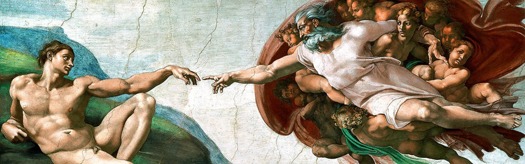
The Bible opens with a creative act: “In the beginning, God created…” (Genesis 1:1). Every detail of creation—from the stars to the sea creatures—was shaped with intention. Genesis 2:7 describes God forming man from dust, a hands-on act of artistry. Job 10:8 says, “Your hands shaped me and made me,” echoing the intimacy of divine craftsmanship.
Isaiah 64:8 calls God our potter and us His clay. That metaphor isn’t just poetic—it’s personal. It means we are shaped, molded, and refined by the hands of the Artist Himself. Psalm 139:13–16 describes God knitting us together in the womb, choosing every detail of our being. These intimate acts of shaping and forming echo the kind of visual art we see throughout the Bible—where creation itself is a canvas of divine intention.
When you pause to marvel that the One who knit the stars chose to trust you with color and clay, you affirm both your place in His story and His intimate care for every detail. The same God who flung galaxies into space cares enough to shape a single flower petal—and to shape your vision as well.
Scripture for further reading:
Genesis 1:1, 27, 31; Genesis 2:7; Job 10:8–9; Job 38:4;
Psalm 139:13–16; Isaiah 64:8; Romans 9:20–21; Ephesians 2:10; Colossians 1:16; Hebrews 1:10; Revelation 4:11
A Final Thought
Whether you paint, sculpt, carve, sew, build, or design—your creativity is not just a personal passion. It’s a reflection of the One who made you. Scripture affirms that artistic ability is God-given, that skill matters, that beauty has purpose, and that our work can glorify Him. Throughout the Bible, artists honored God and stirred the hearts of His people through visual creativity—expressed in art, design, and craftsmanship.
So, as you return to your easel, sketchbook, sculpture bench, crafting table, or digital canvas, remember you’re not creating in a vacuum. You’re echoing the voice and vision of the Master Artist. Take a moment this week to thank Him for the gift of creativity. Then let your next piece be an offering—expressing skill, celebrating beauty, and pointing every eye back to the One who first spoke light into darkness.
⇒ See My Christian Art Series Here
Art Gallery Quick Links
Animals | Flowers | Landscapes | Marine
People | Space Art | Still Life
Additional Reading
Thanks for reading this!
Feel free to share this with your friends.