
What Is Art Appreciation? A Beginner’s Guide to Seeing Art More Deeply
Art appreciation is simply the practice of slowing down and really looking at a piece of art. It’s noticing what draws your eye, what makes you pause, and what stays with you after you walk away. Instead of trying to “figure out” a painting, art appreciation is more about paying attention to what the artwork is offering. The more you look, the more you start to see—its style, its history, and the choices the artist made along the way.
Once you start noticing these things, the experience becomes more personal and a lot less intimidating.
Understanding Art Movements and Why They Matter to Viewers
Art movements are simply groups of artists who shared a similar way of seeing or expressing the world. They weren’t always official groups—sometimes they were just painters working around the same time who were influenced by the same ideas. Each movement has its own “feel,” and recognizing that feel can help you understand why a painting looks the way it does.
Impressionism, for example, focused on light and color rather than tiny details. Post‑Impressionism pushed those ideas further, leaning into emotion and bold expression. Movements like Cubism or Surrealism came from artists wanting to break away from tradition and try something completely new. You don’t need to study these movements—you just need to know they exist, because they help explain why certain styles feel familiar or comfortable to you.
And once you get a sense of how styles shift over time, it’s natural to become curious about the bigger story behind them.
Exploring Art History Without Getting Lost in It
Art history is really just the story of how people have expressed themselves through images over thousands of years. It covers everything from cave drawings to modern street murals. At its core, art history helps us understand what was happening in the world when a piece was created—what people cared about, feared, celebrated, or questioned.
Artists have always responded to the world around them: politics, religion, new inventions, personal struggles, or moments of beauty. Renaissance frescoes, for example, reflect a time of renewed interest in science and human potential. Modern art often reflects a world that’s faster, louder, and more uncertain. Knowing even a little of this background can make a painting feel richer and more alive.
And once you have that sense of context, your eye naturally shifts to the details that make each painting unique.
Recognizing Art Styles and Techniques That Shape a Painting’s Identity
Every artist has a way of working that becomes recognizable over time. It might be their brushwork, their color choices, the subjects they return to, or a certain mood that shows up again and again. These patterns are what make you recognize a painting before you even see the signature.
A painting style can include:
-
- how the paint is applied
- the subjects the artist chooses
- the colors they’re drawn to
- a repeated motif or visual idea
Van Gogh’s swirling strokes and bold colors are unmistakable. Georgia O’Keeffe’s close‑up flowers and desert scenes have a quiet strength that’s instantly recognizable. When you start noticing these stylistic choices, you begin to understand why certain paintings speak to you—and why original art has a presence that prints can’t match.
All of these pieces—movement, history, and style—come together to shape how we experience art.
Why Art Appreciation Matters for Anyone Considering Original Art
Art appreciation isn’t about becoming an expert. It’s about learning to trust your eye and your instincts. It helps you:
-
- notice intention behind the work
- understand the story or context behind a piece
- develop your own taste
- connect with art in a more personal way
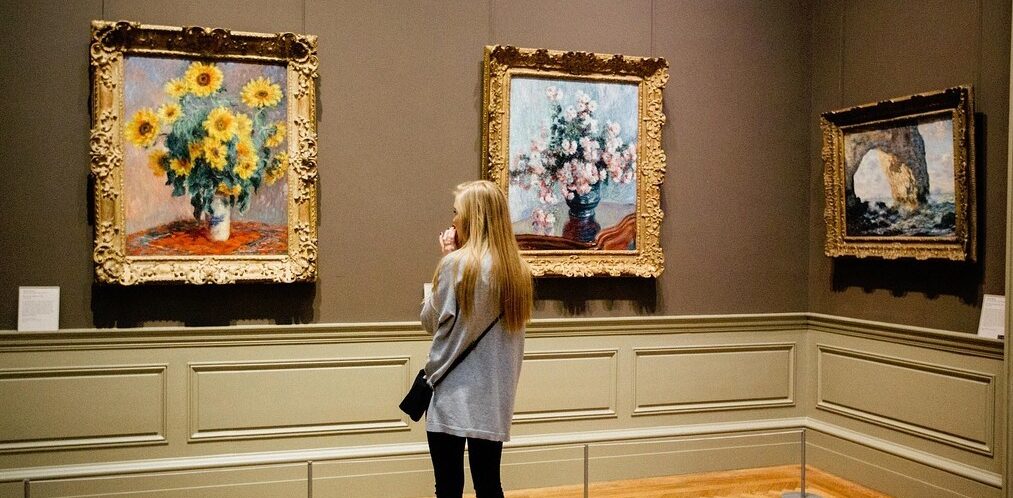
Whether you’re standing in a museum or browsing an online gallery, art appreciation encourages you to slow down and really look. It’s less about having the “right” interpretation and more about discovering what the artwork means to you. And when you’re choosing original art for your home, that kind of attention helps you select pieces that feel meaningful and lasting.
Art Gallery Quick Links
Animals | Flowers | Landscapes | Marine
People | Space Art | Still Life
Additional Reading
Fine Art: It Isn’t What You Think
How to Truly Appreciate Fine Art
Masterpiece Oil Paintings — When a Painting is More Than Just Art
The Future of Fine Art: What Changes, What Endures
Thanks for reading this!
Feel free to share this with your friends.