The Importance of Varnishing Oil Paintings

varnishing oil paintings

A painting isn’t truly complete until a coat of varnish brings it home.

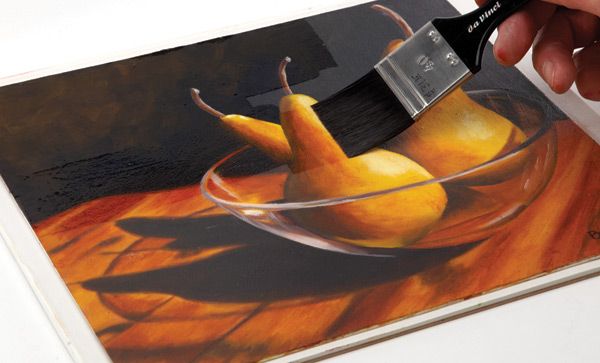
There comes a point when I step back from a painting and know the work is finished — the brushwork is settled, the colors are where they belong, and the whole piece feels quiet and sure. But even in that moment, it isn’t complete. One last step remains, and it’s an important part of my studio practice. Varnishing my oil paintings is how I bring a piece into its final form before I call it done.

Before I reach that final step, the painting needs time to dry. The composition is finished, but the paint is still wet. So, I use this drying time to look it over one last time. I check the overall balance and how the painting looks as a whole. Once I’m satisfied that nothing needs changing, I’m ready for the final step.

Why I Varnish

Varnishing my oil paintings is always the final step. It gives each surface a consistent finish and brings the colors back to how they looked while I was working. The varnish also adds a clear layer of protection to preserve the paintings over time. I don’t let any painting leave my studio until I varnish it.

Once the varnish dries, the painting is complete. It now has the finish and presence I want it to have, and it’s ready for its new home. Varnishing my oil paintings is a simple part of my studio practice, but it’s an important one. This final step brings the work from “finished” to fully done.

Art Gallery Quick Links

Animals     |     Flowers     |     Landscapes     |     Marine

People     |     Space Art     |     Still Life

Additional Reading

The Types of Oil Painting Canvas in My Studio

Using a Viewfinder to Capture the Essence of My Art

Thanks for reading this!

Feel free to share this with your friends.


Using a Viewfinder to Capture the Essence of My Art

For the artist, the creative journey often begins with a viewfinder — the lens that reveals what truly belongs on the canvas.

An artist explains how the viewfinder shapes composition and reveals meaning in the painting process.

When I begin a painting, I’m not just looking at scenery—I’m searching for the moment of recognition. An artist viewfinder, a simple frame I hold up to the world, helps me discover that moment. It’s a tool I rely on to begin shaping the experience of the painting, narrowing the scene until its strongest presence emerges. For me, it’s a way of listening to what the painting wants to become.

What Exactly Is an Artist Viewfinder?

People often ask how I decide what to paint. The truth is, I don’t always know until I see it. A viewfinder lets me block out distractions and concentrate on the elements that strengthen the composition and carry the message I want the painting to express. It’s the pause before the brush touches canvas, the instant when I know: this is the story worth telling.

I keep a simple viewfinder on hand—made from sturdy matboard with a clean opening that echoes the proportions of my canvas. It isn’t elaborate, but it’s essential. When I’m out on location without my viewfinder, I’ll often improvise by using the frame of my own hands—thumb and forefinger forming a quick “viewfinder.” Whether handmade or improvised, this framing helps me isolate the moment that already carries meaning, the starting point for paintings that someone later recognizes as deeply personal.

What It Reveals

By sliding the frame across a landscape or photograph, I’m not just cropping; I’m searching for resonance. Sometimes it’s the way light falls across a forgotten corner. Sometimes it’s a quiet balance between shapes that feels like memory. The viewfinder isolates those moments, showing me what belongs and what doesn’t.

What it reveals isn’t only visual—it’s emotional. The frame helps me notice overlooked details that carry atmosphere. The pause of shadow before dusk, the rhythm between objects that feels like silence, or the subtle tension that makes a scene unforgettable. These cues guide me toward a painting’s voice, showing me not just what to include, but why it matters.

The Connection

This process matters because it shapes the paintings that eventually find their way into someone’s life. When you stand before one of my works and feel that sudden recognition, that moment began here, with a viewfinder. It’s that sense the painting already knows you. It’s how I ensure each composition isn’t just pleasing to the eye, but deeply personal. Each carries the weight of something you weren’t expecting to find.

Art Gallery Quick Links

Animals     |     Flowers     |     Landscapes     |     Marine

People     |     Space Art     |     Still Life

Additional Reading

Grid Enlarging in My Creative Process

The Importance of Varnishing Oil Paintings

Thanks for reading this!

Feel free to share this with your friends.


The Types of Oil Painting Canvas in My Studio

types of oil painting canvas

Oil paintings on canvas are timeless. For centuries, artists have relied on canvas as a trusted surface, and it remains the foundation for my own work today. While there are many varieties available, I primarily use three types of oil painting canvas in my studio. Each has its own qualities that influence how a painting looks, feels, and endures

Gallery-Wrapped Canvas
types of oil painting canvas

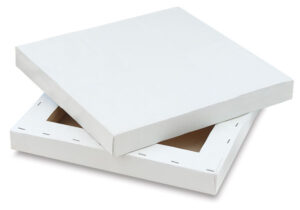
Of all the types of oil painting canvas available, gallery‑wrapped is the one I use most. With a few exceptions, nearly all of my paintings are created on this surface — from small 6×6 pieces to larger 24×36 works. It has become my go‑to choice because it feels natural and gives me the finish I want.

I like gallery‑wrapped canvas because it is built so the fabric stretches over the frame and wraps around the sides, leaving the edges clean and uninterrupted. This design allows me to paint along the sides, giving the finished piece a seamless look that draws attention from every angle.

Another reason I choose gallery‑wrapped canvas is the flexibility it offers once a painting is complete. Because the edges are finished, the artwork can be displayed without a frame for a contemporary presentation, or it can be framed for a more traditional look. Some of my buyers prefer the modern feel, while others choose a frame — either way, the painting retains its character and presence.

Stretched Canvas

oil painting stretched canvas

There was a time not too long ago when stretched canvas was the only option available to artists. This type of canvas is classic, having been around for more than 500 years, and it carries with it a long tradition in the history of painting. For centuries, masterpieces were created on stretched canvas, and that legacy continues to give it a timeless presence even today.

Stretched canvas is the traditional style, with the fabric pulled tightly over a wooden frame and secured with staples or tacks along the sides. The edges are typically left raw and unpainted, echoing the way paintings were prepared by the Old Masters. This gives the artwork a formal character, and once framed, the painting takes on a distinguished presence that highlights its place in a room.

I don’t paint on stretched canvas anymore, since I made the switch to gallery‑wrapped, but I do have a few paintings created on it from that earlier period. When I used stretched canvas, I purchased artist‑grade surfaces pre‑stretched and primed, ready to receive paint. That ensured durability and consistency, while allowing me to focus on the painting itself. Although I now prefer gallery‑wrapped canvas, I still appreciate the history and craftsmanship of stretched canvas, and the few pieces I created on it continue to hold their own as part of my body of work.

See my available oil paintings on stretched canvas at the link.

Canvas Board
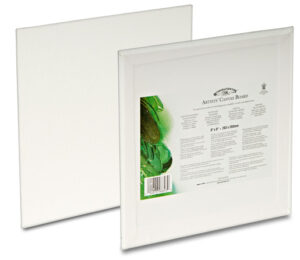
oil painting canvas board

Canvas board has been around for decades. It was the first surface I painted on as an art student under my dad’s guidance. Later I practiced with it while studying under other art teachers. I found it practical — inexpensive, lightweight, and easy to carry. Through the years, I’ve continued using canvas board; some of my best pieces are created on it.

Canvas board is made by mounting canvas fabric onto a rigid, lightweight panel, creating a sturdy surface that resists warping. Though thinner than stretched canvas, it provides excellent durability and is easier to frame. It’s also less fragile than gallery‑wrapped or stretched canvas, which makes it easy to care for.

Its portability has made canvas board a favorite among plein air painters, who appreciate how manageable it is outdoors. I also rely on it in my studio, especially for smaller works where a sturdy support is ideal. Paintings composed on canvas board are not inferior to those on stretched canvas. Many highly skilled artists prefer it, and I am one of them. Once framed, a canvas board painting carries the same presence and longevity as any other canvas type.

See my line of oil paintings on canvas board.

In Conclusion

The choice of canvas shapes the presentation and endurance of an oil painting. No single type is inherently better than another. Each has its own strengths, whether it’s the sleek edges of a gallery-wrapped, the tradition of stretched canvas, or the practicality of canvas board.

In my studio, selecting the right canvas is part of the care I put into every painting. It ensures that the finished artwork not only reflects my vision but also stands ready to bring beauty and character for years to come.

Art Gallery Quick Links

Animals     |     Flowers     |     Landscapes     |     Marine

People     |     Space Art     |     Still Life

Additional Reading

My Oil Painting Process: From Blank Canvas to Finished Work

The Importance of Varnishing Oil Paintings

Using a Viewfinder to Capture the Essence of My Art

Have a question?

If you have a question about this blog on three types of oil painting canvas, please contact us, and we’ll be happy to answer your questions.

Thanks for looking!

Feel free to share this with your friends.