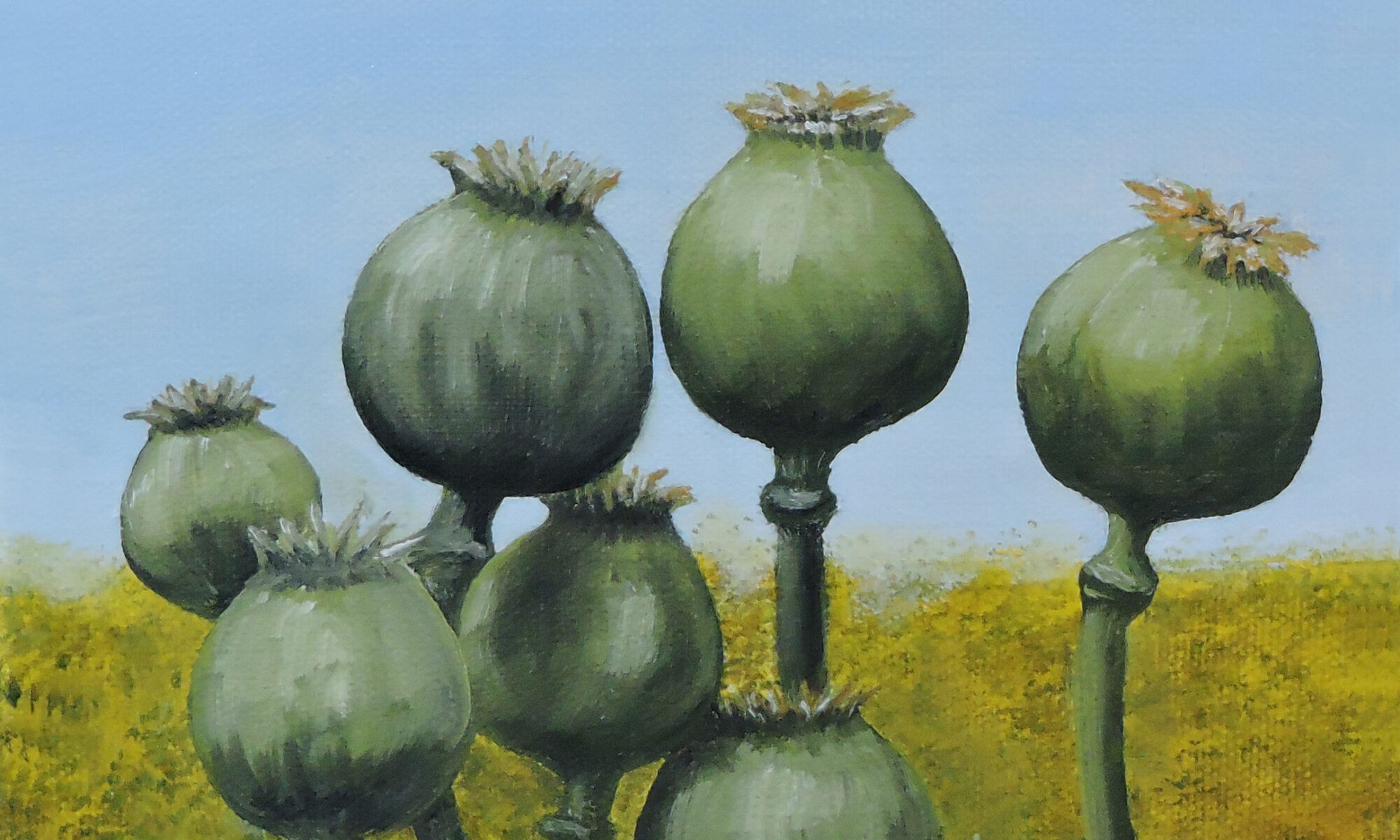

The Why of Christian Art

Christian art still life painting
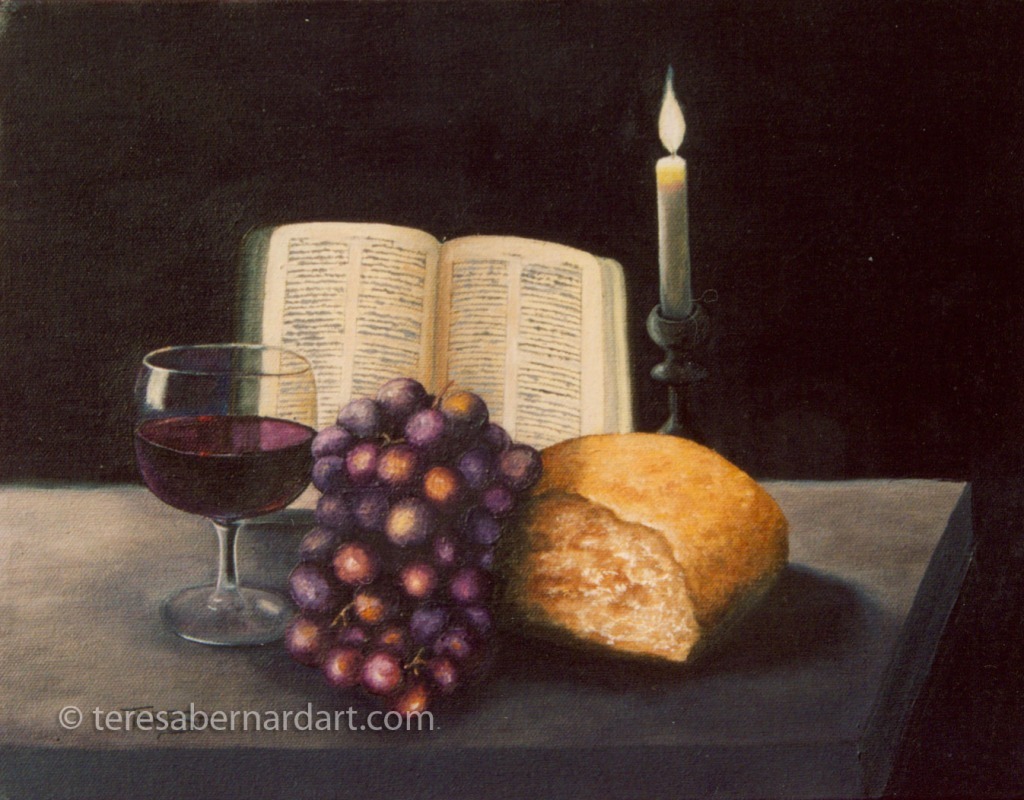
The Communion Table by Teresa Bernard

Christian art—what it is, and why artists keep returning to it

Christian art is often described in big, formal terms, but at its core, it’s simply art shaped by faith and the stories that have guided believers for centuries. Instead of functioning as doctrine or decoration, Christian art gives visual form to ideas people hold close — hope, mercy, sacrifice, redemption, and the presence of a loving God in ordinary life.

Christian art is created by artists who wish to express their faith, explore spiritual truths, and glorify Lord God through their creativity. But more than that, it offers viewers a way to slow down and see familiar stories with fresh eyes. That’s really the heart of the why of Christian art.

Spiritual expression that feels personal

Christian artists use their creative talents to express their beliefs, experiences, and devotion to Almighty God. In paint, that expression often shows up in small decisions — the way light falls across a figure, the quietness of a gesture, or the weight carried in a shadow. Through visual arts like painting, sculpture, and iconography, they communicate their understanding of biblical narratives, theological concepts, and the Christian experience. It’s less about teaching and more about sharing something honest and lived.

Art as devotion, shaped slowly and with intention

Creating religious art is often seen as an act of worship. Artists believe that their work can honor the Lord and inspire others to connect with Him. The process itself becomes a kind of devotion — patient, steady, and attentive. By depicting biblical scenes, saints, or religious symbols, they participate in a form of spiritual devotion. The finished piece carries that quiet intention with it, offering viewers a moment of stillness rather than instruction.

An invitation rather than an argument

Some Christian artists create art with the purpose of evangelizing or defending their faith. Art can serve as a powerful tool to convey spiritual messages, share the Gospel, and engage with non-believers. But often, the most compelling Christian art doesn’t try to persuade — it simply invites. It opens a door, not with words, but with presence.
It lets viewers approach meaning at their own pace.

Connecting faith to the world around us

God is the ultimate Creator, and Christian artists recognize their role as co-creators. They engage with culture, using their art to reflect God’s beauty and truth. Across history, Christian art has always adapted — absorbing the visual language of its time while offering a steady point of reference rooted in faith. Art becomes a way to respond to the world, not escape from it. It keeps spiritual ideas connected to everyday life.

Symbols that help people see more clearly

Christian art often employs symbolism. For example, a cross can allude to the death of Christ and redemption, while bread and wine evoke communion with God. These symbols work because they’re familiar, yet each artist interprets them differently. Artists infuse their work with meaning that unfolds slowly, inviting viewers to look closer. Symbolism becomes a gentle guide — not a puzzle, but a way of pointing toward something deeper.

Stories that stay with us

Early religious art focused on typological narratives, drawing parallels between Old Testament stories and events in the life of Jesus. Over time, artists depicted miracles, the crucifixion, and other significant moments from the Bible. These stories endure because they help people see faith in a tangible way. Christian art keeps them close, not as distant history, but as something that still speaks. It gives shape to stories that continue to matter.

Why Christian art still matters today

Christian art remains meaningful because it helps people see faith, not just think about it. It offers a quiet place to reflect, a familiar story seen in a new light, or a moment of comfort in a world that moves too quickly. Whether it’s a stained-glass window, a Madonna and Child, or a contemporary painting rooted in Christian themes, the purpose stays the same: to make spiritual truth visible in a way that feels human, approachable, and worth spending time with.

⇒ See My Christian Art Series Here

Art Gallery Quick Links

Animals     |     Flowers     |     Landscapes     |     Marine

People     |     Space Art     |     Still Life

Additional Reading

My Christian Art Series

Visual Art in the Bible

Have a question?

If you have a question about this blog on Christian art, please contact us, and we’ll be happy to answer your questions.

Thanks for reading this!

Feel free to share this with your friends.


How to Truly Appreciate Fine Art

how to appreciate fine art
Starry Night by Vincent van Gogh (1889)

It’s easy to enjoy a painting at first glance. But when you want to appreciate fine art in a way that feels informed and intentional, the surface is only the beginning. Most people look at a painting and respond to the subject — a landscape, a still life, a figure — without realizing that the real strength of fine art comes from the decisions behind it. Once you start noticing those decisions, the whole experience changes.

Noticing the Structure Behind the Image

A good place to begin is with the structure of the painting. Every strong piece has an underlying design that holds it together — the arrangement of shapes, the balance of light and dark, the way your eye moves through the scene. You don’t have to analyze it; you just have to notice whether the painting feels balanced and intentional. When the structure is strong, the painting feels grounded. When it’s weak, something feels unsettled, even if you can’t name why.

From there, your attention naturally shifts to composition — the way the artist guides your eye. This isn’t something you study; it’s something you sense. A thoughtful composition feels clear. You know where to look first, and the rest of the painting supports that moment. When you appreciate fine art with this in mind, you begin to understand why some paintings feel complete while others feel scattered.

Craftsmanship is the next layer, and it’s one of the easiest ways to recognize quality. Confident brushwork, cohesive color, and intentional edges all signal experience and control. You’re not judging technique for the sake of technique — you’re noticing whether the artist’s hand feels sure. Good craftsmanship doesn’t call attention to itself; it simply makes the painting feel resolved.

As you move through these elements — structure, composition, craftsmanship — something interesting happens: you start to see the painting as a series of decisions rather than a single image. And that shift is what deepens your appreciation. You begin to understand why the painting works, not just that you like it.

Recognizing Presence and Building Confidence

This is also where interpretation becomes more meaningful. Instead of asking, “What does this painting mean?” you start asking, “What choices create the feeling I’m responding to?” That question opens the door to a more thoughtful connection. You’re not searching for a hidden message; you’re recognizing how the painting communicates.

And eventually, all of this leads to the moment collectors talk about — when a painting has presence. Presence isn’t mood or emotion; it’s the sense that the work is complete, intentional, and quietly confident. It’s the result of all the decisions working together. When you appreciate fine art with an understanding of these elements, you begin to recognize that presence immediately.

The more you look, the more natural this becomes. You start trusting your eye. You start noticing quality without effort. And that’s the real purpose of learning how to appreciate fine art — not to become an expert, but to feel confident choosing pieces that are strong, well‑crafted, and worth living with.

Art Gallery Quick Links

Animals     |     Flowers     |     Landscapes     |     Marine

People     |     Space Art     |     Still Life

Additional Reading

Art Appreciation: Where to Begin

Fine Art: It Isn’t What You Think

The Future of Fine Art: What Changes, What Endures

What Defines Fine Art Today

Have a question?

If you have a question about this blog on how to appreciate fine art, please contact us. We’ll be happy to answer your questions.

Thanks for reading this!

Feel free to share this with your friends.
The Timeless Allure of Original Oil Paintings

The Timeless Allure of Original Oil Paintings

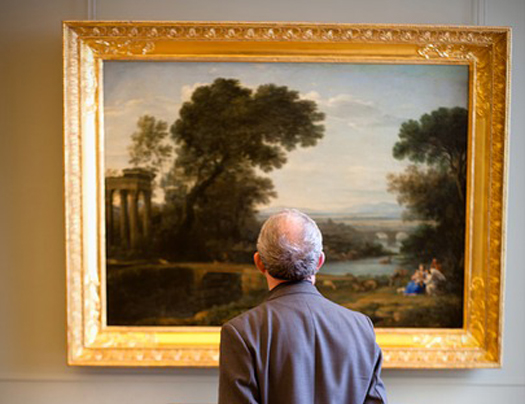
When it comes to art, few mediums can match the richness, depth, and tradition of oil paintings. The luminous quality of oil pigments, the texture of brushstrokes, and the ability to layer colors create a captivating visual experience. Whether you’re an art collector, an interior decorator, or simply someone who appreciates beauty, original oil paintings exude a timeless allure.

What Makes Original Oil Paintings Distinct

Each original oil painting carries the artist’s individual decisions — the shifts in pressure, the layered revisions, the moments of clarity that shape the final image. No two works are identical, and that individuality gives each painting its own presence. Instead of feeling manufactured or predictable, an original piece reflects the artist’s hand and the thought process behind it.

Oil painting also comes with a long, respected lineage. From Renaissance masters to contemporary realists, artists have relied on this medium for its depth, flexibility, and permanence. That history isn’t just background information — it’s part of what gives original oil paintings their sense of continuity and cultural weight. The techniques evolve, but the medium’s capacity for nuance remains unmatched.

Why This Medium Endures

Oil paint adapts to nearly any style — realism, impressionism, abstraction, or something entirely personal. Its slow drying time allows for subtle transitions, layered complexity, and a depth that rewards repeated viewing. Whether you’re drawn to quiet landscapes, bold color fields, or intimate portraits, oil paint has the range to carry that vision.

Original oil paintings also bring a sense of intention into a space. When you choose an original work, you’re not just selecting an image — you’re choosing the artist’s process, their history, and the presence of something made by hand.

A Lasting Presence in Any Collection

Original oil paintings are more than decorative accents; they hold cultural and historical value that outlasts trends. Collecting them connects you to a tradition that spans centuries. These artworks enrich a room, but they also gain depth over time, becoming part of the stories and spaces they inhabit.

Art Gallery Quick Links

Animals     |     Flowers     |     Landscapes     |     Marine

People     |     Space Art     |     Still Life

Additional Reading

Authentic Oil Paintings—What Makes Them Genuinely Unique

Why Owning a Teresa Bernard Oil Painting is So Special

Genuine Oil Paintings That Captivate Hearts and Homes

Have a question?

If you have a question about this blog on the allure of original oil paintings, please contact us, and we’ll be happy to answer your questions.

Thanks for reading this!

Feel free to share this with your friends.


Masterpiece Oil Paintings — When a Painting is More Than Just Art

masterpiece oil paintings

What Makes a Painting a Masterpiece?

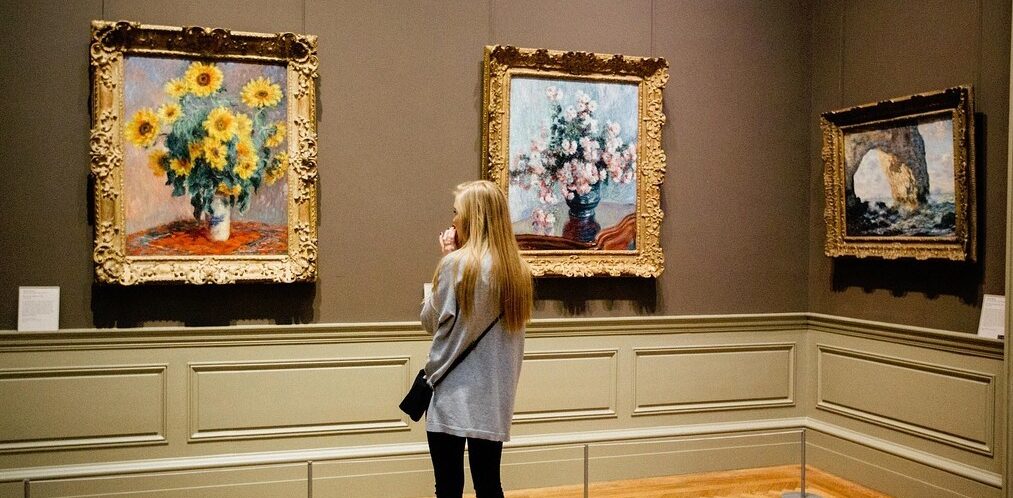
Some paintings leave a lasting impression, pulling you in and stirring something deep inside. They make you wonder how mere brushstrokes can carry such power. But what truly defines masterpiece oil paintings? Is it the skill of the artist, the emotions they evoke, or the impact they leave behind? A true masterpiece isn’t just admired—it lingers in the mind, shaping how we see art and even ourselves. It extends beyond its canvas, inviting interpretation, sparking conversation, and transcending time.

Rather than narrowing the definition to one quality, it helps to look at the elements that consistently set these paintings apart.

The Story It Tells

A masterpiece isn’t just about color and technique; it tells a story. Whether full of mystery, movement, or deep emotion, masterpiece oil paintings make you think, feel, and interpret. They spark conversation and leave you questioning the meaning behind them. Every brushstroke carries intent, guiding the viewer through a silent narrative that speaks beyond words. A truly remarkable painting doesn’t simply exist—it invites engagement, reflection, and personal interpretation.

Art has the power to communicate in ways words cannot. A masterpiece often carries layers of symbolism, inviting viewers to uncover deeper meanings. Whether rooted in personal experience or cultural significance, each painting offers a unique perspective that resonates differently with every observer. This ability to sustain curiosity and reward repeated viewing is one of the qualities that elevates a painting into the realm of a masterpiece.

The Emotion It Stirs

There’s a particular kind of recognition that happens when a painting reaches you on a deeper level — a quiet moment of connection that feels almost instinctive. That’s the magic of emotional resonance. A masterpiece isn’t just visually impressive; it speaks to something within you. It can fill you with nostalgia, joy, melancholy, or awe. Beyond its colors and composition, it holds a story waiting to be discovered, inviting you to step closer and lose yourself in its details. The emotions it stirs may shift over time, yet its impact remains—a silent conversation between artist and viewer that transcends words.

Art has a way of reflecting the emotions we carry, sometimes revealing feelings we didn’t realize were there. Masterpiece oil paintings don’t lock you into a single interpretation—they evolve with you. What feels somber today may feel tender years from now. Great art isn’t static; it grows, shifts, and continues to speak long after the brush has left the canvas. This ability to forge a lasting emotional connection is what makes a painting unforgettable.

Innovation and Boldness

Masterpieces often stand apart because they introduce something new — not for shock value, but because the artist saw a different way forward. Some paintings reveal new approaches to light or composition; others challenge long‑held traditions. The best masterpiece oil paintings aren’t just beautiful—they expand what art can be.

Innovation in art doesn’t come from following rules. It comes from questioning them. Throughout history, groundbreaking paintings have shifted artistic movements, challenged cultural expectations, and broadened our understanding of creativity. These works don’t simply hang on walls; they reshape how we experience the world. Their boldness isn’t rebellion for its own sake — it’s vision, clarity, and the courage to create something genuinely new.

Technical Brilliance with Purpose

Of course, skill matters. A strong composition, confident brushwork, and a thoughtful understanding of light and shadow all contribute to the foundation of a great painting. But technique alone doesn’t create a masterpiece. What distinguishes the finest works is the way craftsmanship supports meaning.

A painting can be technically flawless yet emotionally empty. A masterpiece, however, uses technique as a vehicle for intention. The way a brushstroke suggests movement, the subtle interplay of color that conveys mood — these choices go beyond skill. They infuse the artwork with personality and presence. A true masterpiece is defined not just by precision, but by the harmony between technique and vision.

Timeless Impact

Some paintings endure for centuries because they capture something universal. Whether it’s love, struggle, beauty, or chaos, masterpiece oil paintings remain relevant across eras. Their themes transcend cultural shifts, resonating with viewers regardless of background or time period.

Art that lasts does more than please the eye — it invites reflection. Some masterpieces even gain new meaning as society evolves, proving that great art is never fixed in place. Whether displayed in museums or passed down through private collections, these works continue to shape artistic movements and redefine creativity. Their longevity isn’t an accident; it’s the result of clarity, intention, and a depth that outlives trends.

Why These Paintings Stay with Us

At the end of the day, masterpiece oil paintings are more than just paint on canvas—they’re a force. They make you feel, they make you think, and they stay with you long after you’ve seen them. Their power lies in the way structure, emotion, innovation, and craftsmanship come together to create something that feels complete and enduring.

Great art connects us across time and culture. It challenges, comforts, and expands our understanding of what it means to see — and to feel. A masterpiece isn’t just something we look at; it’s something that continues to meet us, again and again, with new insight and presence.

Art Gallery Quick Links

Animals     |     Flowers     |     Landscapes     |     Marine

People     |     Space Art     |     Still Life

Additional Reading

Authentic Oil Paintings—What Makes Them Genuinely Unique

Genuine Oil Paintings That Captivate Hearts and Homes

Have a question?

If you have a question about this blog on masterpiece oil paintings, please contact us. We’ll be happy to answer your questions.

Thanks for reading this!

Feel free to share this with your friends.



Hand-Painted Oil Paintings Have Their Own Unique Story To Tell

hand-painted oil paintings

Hand‑painted oil paintings carry more than an image — they hold the quiet story of how they came into being. Every brushstroke reflects a moment of attention, a decision, a shift in color or light that could only happen once. Unlike prints, which repeat the same surface endlessly, a hand‑painted work has a presence that belongs only to itself.

When you stand in front of a painting created by hand, you’re not just seeing the subject. You’re seeing the path the artist took to bring it into the world.

The Story Behind a Hand‑Painted Work

What makes hand‑painted oil paintings special isn’t a checklist of features — it’s the way the artist’s hand shapes their surface. The paint goes on in layers, sometimes thin, sometimes deliberate and textured, each one carrying a small part of the story. These choices give a painting its character and its sense of life.

How These Paintings Hold Their Own History

Hand‑painted oil paintings don’t hide the process that created them. You can often see where the brush slowed down, where the color shifted, where the artist changed direction. These traces aren’t flaws — they’re the history held in each piece, the small decisions that make a painting feel honest and human. And because oil paint has such depth and richness, it preserves these moments in the surface itself, allowing the story to stay visible for generations.

Why These Paintings Stay Meaningful

People are drawn to hand‑painted oil paintings because they offer a connection — not just to the subject, but to the person who created it. A painting made by hand carries intention. It carries time. It carries the quiet evidence of someone paying attention long enough to bring something real into the world.

That’s why these works continue to matter in homes. They don’t just decorate a wall; they become part of the rhythm of a room, part of the atmosphere, part of the story of the people who live with them.

When the Story Meets You

A hand‑painted oil painting invites you to slow down and notice the details that make it singular. Its surface holds the story of its making, and that story becomes part of the experience of living with it. When a painting carries the hand of the artist, it settles into a home with warmth and presence — a quiet reminder that the story behind a hand‑painted work is what gives it a life of its own.

Art Gallery Quick Links

Animals     |     Flowers     |     Landscapes     |     Marine

People     |     Space Art     |     Still Life

Additional Reading

Authentic Oil Paintings—What Makes Them Genuinely Unique

Genuine Oil Paintings That Captivate Hearts and Homes

Why Owning a Teresa Bernard Oil Painting is So Special

Have a question?

If you have a question about this blog, please contact us, and we’ll be happy to answer your questions.

Thanks for reading this!

Feel free to share this with your friends.


Genuine Oil Paintings That Captivate Hearts and Homes

genuine oil paintings

What Gives a Painting Its Genuine Presence

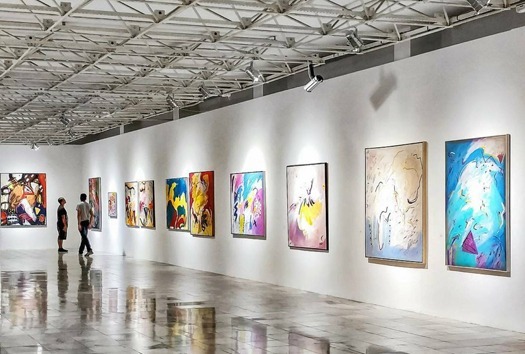
Genuine oil paintings hold a quiet kind of presence. They carry the hand of the artist, the movement of the brush, and the small decisions that can only happen in the moment of creation. A genuine painting isn’t defined by grand language — it’s defined by the honesty of its surface and the fact that no two originals are ever the same.

When people talk about a “genuine” oil painting, they mean the authenticity that comes from an artist creating the work rather than a machine reproducing it.

What Are Genuine Oil Paintings?

Genuine oil paintings are hand‑painted artworks crafted by artists using oil-based paints on various types of canvas surfaces. Unlike prints or reproductions, these paintings carry the artist’s unique touch and vision. The word “genuine” simply means the artist did not mass‑produce or mechanically reproduce the work.

Why Genuine Oil Paintings Hold Their Appeal

People are drawn to hand‑painted oil works because they offer something that can’t be duplicated: the presence of the artist’s hand. A genuine painting carries the small variations, choices, and moments of attention that give it life. Even when the subject is familiar, the painting itself is singular.

Living with a genuine work of art feels different from living with a print. There’s a sense of connection — not just to the subject, but to the person who created it. That connection is often what makes a painting feel meaningful in a home.

For many collectors, the value of a real oil painting isn’t about investment or status. It’s about owning a piece an artist created with intention, one that brings a quiet sense of beauty into daily life.

Keeping the Meaning Close

Genuine oil paintings invite you to slow down and notice the details that make each piece singular — the texture, the color shifts, the quiet evidence of the artist’s hand. When you understand what makes a hand‑painted work authentic, you begin to see why these pieces hold such lasting appeal.

And when a painting truly captivates — when it brings warmth, presence, and a sense of connection into your home — that is the quiet power of a genuine oil painting, the very quality that continues to captivate hearts and homes.

Art Gallery Quick Links

Animals     |     Flowers     |     Landscapes     |     Marine

People     |     Space Art     |     Still Life

Additional Reading

Hand-Painted Oil Paintings Have Their Own Unique Story to Tell

The Timeless Allure of Original Oil Paintings

Why Owning a Teresa Bernard Oil Painting is So Special

Have a question?

If you have a question about this blog, please contact us, and we’ll be happy to answer your questions.

Thanks for reading this!

Feel free to share this with your friends.


Authentic Oil Paintings—What Makes Them Genuinely Unique


authentic oil paintings

Discovering the Enduring Qualities of Authentic Oil Paintings

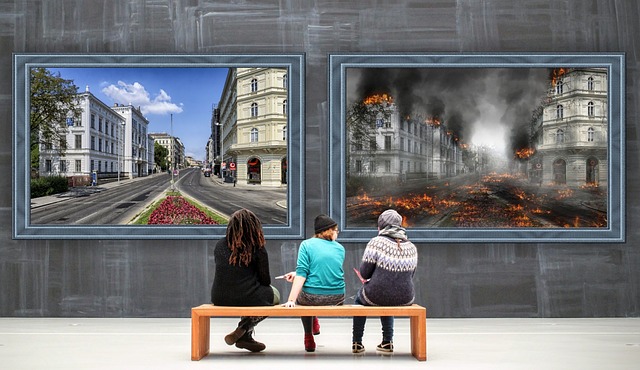
In a world saturated with mass-produced art, authentic oil paintings stand out as treasured masterpieces. But what truly sets them apart is the simple fact that an original painting carries the hand, intention, and presence of the artist in a way no reproduction ever can. Collectors value these works for their rich history, their beauty, and the skill behind them, but their real strength comes from the honesty of the artist’s touch. Let’s explore why these original artworks hold such lasting appeal:

Unique Artistic Creations

Every authentic oil painting is a one-of-a-kind work of art. Unlike prints or reproductions, which can be replicated endlessly, there’s only one original. This exclusivity makes each painting a unique addition to any collection. Owning an authentic piece means you’re bringing home something created by a real person, not a machine—something with its own quiet personality and presence.

Unparalleled Craftsmanship

The skill and dedication that go into creating an authentic oil painting are unmatched. Artists spend countless hours perfecting their techniques, and each brushstroke is a testament to their craftsmanship. The texture, depth, and richness of oil paints create a visual and tactile experience that prints or reproductions simply cannot replicate. That physical surface—the layers, the subtle shifts in color, the movement of the brush—reminds you that a human being stood in front of the canvas and made deliberate choices.

Emotional and Personal Connection

Authentic oil paintings often embody the artist’s emotions and intentions, creating a deeper connection with the viewer. The personal touch of the artist can evoke strong emotional responses. Because the work is original, not copied, the viewer is responding to the same marks and decisions the artist made in the moment. Whether it’s the tranquility of a landscape, the vibrancy of a still life, or the intensity of a portrait, the emotional resonance of an oil painting can be profound and lasting.

Long-lasting Beauty

Oil paintings are celebrated for their durability and longevity. With proper care, these masterpieces can last for centuries, becoming timeless heirlooms passed down through generations. The resilience of the oil medium ensures that the colors remain vibrant, and the details stay intact over time. Choosing an oil painting isn’t just decorating a wall—it’s choosing something that will stay with you, and with the people who come after you.

Cultural and Historical Significance

Many oil paintings have historical and cultural significance, capturing moments in time, societal changes, and the artist’s perspective. Owning such pieces can be a way to connect with history and culture. These paintings often serve as windows into the past, offering insights into the eras they depict and the minds of the artists who created them. Even contemporary paintings carry this sense of continuity—they become part of a long tradition of artists responding to the world around them.

Continuous Innovation

Oil painting boasts a rich tradition, yet contemporary artists continue to innovate within the medium, exploring new techniques and styles. This ongoing innovation ensures that oil painting remains dynamic and relevant in the modern art world. Today’s artists blend traditional methods with novel approaches, creating works that challenge conventions and offer fresh perspectives. This mix of history and experimentation is part of what keeps oil painting alive and meaningful today.

Beyond Art

Authentic oil paintings aren’t just art; they are investments in culture, creativity, and personal expression. Their unique qualities make them prized possessions for collectors and art lovers alike. An original painting becomes part of your life—something you live with, return to, and see differently over time. Whether for aesthetic appreciation, emotional resonance, or historical significance, owning an authentic oil painting is a testament to the enduring power of art.

Art Gallery Quick Links

Animals     |     Flowers     |     Landscapes     |     Marine

People     |     Space Art     |     Still Life

Additional Reading

Genuine Oil Paintings That Captivate Hearts and Homes

Why Owning a Teresa Bernard Oil Painting is So Special

The Timeless Allure of Original Oil Paintings

Have a question?

If you have a question about this blog on authentic oil paintings, please contact us, and we’ll be happy to answer your questions.

Thanks for reading this!

Feel free to share this with your friends.


Visual Art in the Bible

visual art in the Bible

God’s Design for the Artist

As someone who’s spent a lifetime creating, I often wonder how the Bible portrays my love for visual art and how it fits into God’s design. Does Scripture speak to the creative process? Does it affirm the work of the artist’s hands when we shape, carve, craft, sew, or paint with intention?

The answer is yes. The Bible has a lot to say about artistic ability, craftsmanship, and beauty—not just in passing, but in ways that reveal God’s heart for creativity. This isn’t a theological deep dive or a list of proof texts. It’s a simple walk through Scripture to see what God says about art, and how we, as artists and makers, can respond.

From Scripture, we learn…

Artistic Ability is God-Given

Scripture doesn’t just mention artistic ability—it celebrates it as a divine appointment. In Exodus 31, God says He has “called by name Bezalel” and “filled him with the Spirit of God” for the purpose of craftsmanship. That phrase—“called by name”—is significant. It shows that artistic gifting isn’t random or secondary. It’s intentional and personal. God not only gives the ability; He also commissions the artist. We see this in the Bible’s earliest references to visual art—where craftsmanship is Spirit-led, purposeful, and deeply valued.

We also see that this gifting includes wisdom, understanding, and knowledge—not just technical skill. That means artistic ability is holistic: it involves the heart, the mind, and the hands. Romans 11:29 reminds us that “the gifts and the calling of God are irrevocable.” If He’s given you the gift, He doesn’t take it back. It’s yours to steward.

When we recognize our creativity as a gift, we shift our mindset from “What can I achieve?” to “How can I steward what He entrusted to me?” This shift cultivates humility and thankfulness, and it reminds us that our art serves a higher purpose beyond personal acclaim.

Scripture for further reading:
Exodus 28:3; Exodus 31:1–11; Exodus 35:30–35; Romans 11:29

Art is a Skill to Be Nurtured

Throughout Scripture, skilled artisans are honored for their craftsmanship. In 1 Chronicles 22:15, David prepares for temple construction by gathering “stonecutters, masons, carpenters, and all kinds of craftsmen without number.” These weren’t hobbyists—they were professionals, trained and experienced. Their work was essential to the worship life of Israel.

In 2 Chronicles 2, Solomon requests a master craftsman from Tyre, someone “trained to work in gold, silver, bronze, iron, stone, and wood.” The list is extensive, showing that artistic skill spans many mediums and materials. These artisans weren’t just naturally talented—they were trained. That tells us something important: God-given ability still requires human effort. Skill grows through repetition, mentorship, and discipline.

Growth in our art also mirrors spiritual growth: both require perseverance through critique, the willingness to learn from mistakes, and the discipline to refine each detail. As we sharpen tools and techniques, we sharpen character—remembering that diligence itself is an act of worship.

Scripture for further reading:
1 Chronicles 22:15; 2 Chronicles 2:13–14; 2 Chronicles 24:12; Proverbs 31:24; Jeremiah 18:1–6

Art is Beautiful Because God is Beautiful

God’s love for beauty is woven throughout Scripture. In the design of the temple (1 Kings 6–7), He gives detailed instructions for carvings, gold overlay, and ornamental features. These weren’t functional necessities—they were aesthetic choices. God wanted His dwelling place to reflect His glory through beauty.

Ecclesiastes 3:11 says, “He has made everything beautiful in its time.” That’s not just poetic—it’s theological. Beauty is part of God’s nature. Song of Solomon, though poetic and romantic, also reveals God’s delight in form, texture, and visual splendor. Philippians 4:8 encourages us to dwell on “whatever is lovely,” affirming that beauty has spiritual value. In the Bible, visual art isn’t just decoration—it’s part of God’s design for worship, beauty, and meaning.

In a world marred by brokenness, beauty in art whispers of Eden—and of the restoration God promises. Every well-composed frame or thoughtfully blended hue can become a visual reminder that, despite our circumstances, our Creator still delights in making all things new.

Scripture for further reading:
1 Kings 6; 1 Kings 7:13-51; Ecclesiastes 3:11; Song of Solomon 7:1; Philippians 4:8

Art Glorifies God

Art has always played a role in worship. The tabernacle and temple were filled with visual elements that lifted the hearts of worshipers toward God. Psalm 50:2 says, “Out of Zion, the perfection of beauty, God has shone forth.” Beauty becomes a conduit for divine presence.

Colossians 3:23 reminds us to “work heartily, as for the Lord.” That includes creative work. When our art reflects truth, goodness, and beauty, it glorifies God—not just in content, but in excellence. Even the process of creating—when done with integrity and intention—can be an act of praise.

Art also transcends language barriers and cultural walls, becoming a universal messenger of grace and beauty. As artists, we serve as visual missionaries—planting seeds of truth and wonder in hearts that might never open a Bible, yet still encounter God through our creations.

Scripture for further reading:
Psalm 50:2; Colossians 3:23; 1 Corinthians 10:31

God is the Original Artist, the Supreme Master Craftsman

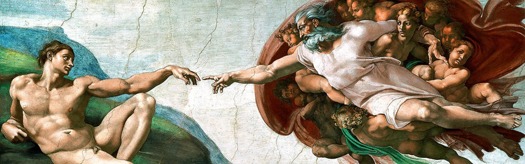
The Bible opens with a creative act: “In the beginning, God created…” (Genesis 1:1). Every detail of creation—from the stars to the sea creatures—was shaped with intention. Genesis 2:7 describes God forming man from dust, a hands-on act of artistry. Job 10:8 says, “Your hands shaped me and made me,” echoing the intimacy of divine craftsmanship.

Isaiah 64:8 calls God our potter and us His clay. That metaphor isn’t just poetic—it’s personal. It means we are shaped, molded, and refined by the hands of the Artist Himself. Psalm 139:13–16 describes God knitting us together in the womb, choosing every detail of our being. These intimate acts of shaping and forming echo the kind of visual art we see throughout the Bible—where creation itself is a canvas of divine intention.

When you pause to marvel that the One who knit the stars chose to trust you with color and clay, you affirm both your place in His story and His intimate care for every detail. The same God who flung galaxies into space cares enough to shape a single flower petal—and to shape your vision as well.

Scripture for further reading:
Genesis 1:1, 27, 31; Genesis 2:7; Job 10:8–9; Job 38:4;
Psalm 139:13–16; Isaiah 64:8; Romans 9:20–21; Ephesians 2:10; Colossians 1:16; Hebrews 1:10; Revelation 4:11

A Final Thought

Whether you paint, sculpt, carve, sew, build, or design—your creativity is not just a personal passion. It’s a reflection of the One who made you. Scripture affirms that artistic ability is God-given, that skill matters, that beauty has purpose, and that our work can glorify Him. Throughout the Bible, artists honored God and stirred the hearts of His people through visual creativity—expressed in art, design, and craftsmanship.

So, as you return to your easel, sketchbook, sculpture bench, crafting table, or digital canvas, remember you’re not creating in a vacuum. You’re echoing the voice and vision of the Master Artist. Take a moment this week to thank Him for the gift of creativity. Then let your next piece be an offering—expressing skill, celebrating beauty, and pointing every eye back to the One who first spoke light into darkness.

⇒ See My Christian Art Series Here

Art Gallery Quick Links

Animals     |     Flowers     |     Landscapes     |     Marine

People     |     Space Art     |     Still Life

Additional Reading

My Christian Art Series

The Why of Christian Art

Thanks for reading this!

Feel free to share this with your friends.


Art Appreciation: Where to Begin

what is art appreciation

What Is Art Appreciation? A Beginner’s Guide to Seeing Art More Deeply

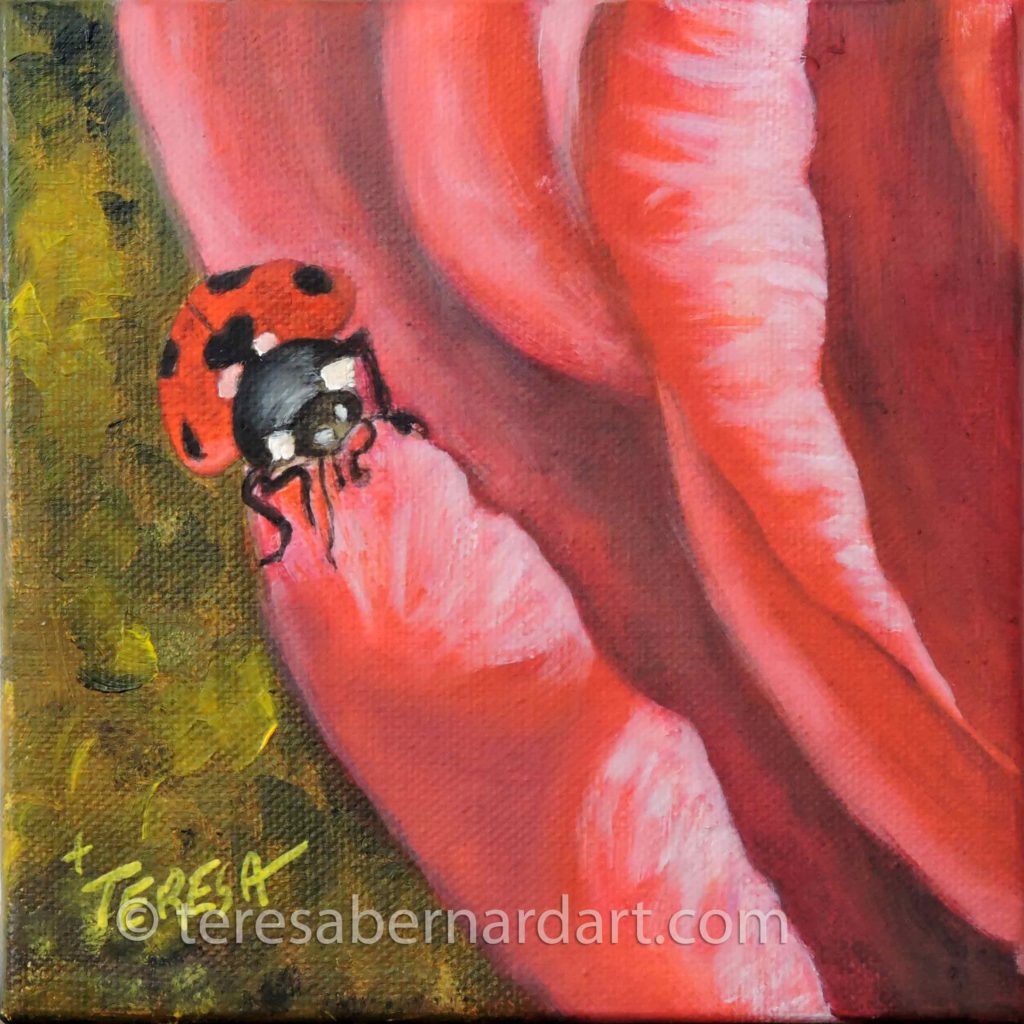
Art appreciation is simply the practice of slowing down and really looking at a piece of art. It’s noticing what draws your eye, what makes you pause, and what stays with you after you walk away. Instead of trying to “figure out” a painting, art appreciation is more about paying attention to what the artwork is offering. The more you look, the more you start to see—its style, its history, and the choices the artist made along the way.

Once you start noticing these things, the experience becomes more personal and a lot less intimidating.

Understanding Art Movements and Why They Matter to Viewers

Art movements are simply groups of artists who shared a similar way of seeing or expressing the world. They weren’t always official groups—sometimes they were just painters working around the same time who were influenced by the same ideas. Each movement has its own “feel,” and recognizing that feel can help you understand why a painting looks the way it does.

Impressionism, for example, focused on light and color rather than tiny details. Post‑Impressionism pushed those ideas further, leaning into emotion and bold expression. Movements like Cubism or Surrealism came from artists wanting to break away from tradition and try something completely new. You don’t need to study these movements—you just need to know they exist, because they help explain why certain styles feel familiar or comfortable to you.

And once you get a sense of how styles shift over time, it’s natural to become curious about the bigger story behind them.

Exploring Art History Without Getting Lost in It

Art history is really just the story of how people have expressed themselves through images over thousands of years. It covers everything from cave drawings to modern street murals. At its core, art history helps us understand what was happening in the world when a piece was created—what people cared about, feared, celebrated, or questioned.

Artists have always responded to the world around them: politics, religion, new inventions, personal struggles, or moments of beauty. Renaissance frescoes, for example, reflect a time of renewed interest in science and human potential. Modern art often reflects a world that’s faster, louder, and more uncertain. Knowing even a little of this background can make a painting feel richer and more alive.

And once you have that sense of context, your eye naturally shifts to the details that make each painting unique.

Recognizing Art Styles and Techniques That Shape a Painting’s Identity

Every artist has a way of working that becomes recognizable over time. It might be their brushwork, their color choices, the subjects they return to, or a certain mood that shows up again and again. These patterns are what make you recognize a painting before you even see the signature.

A painting style can include:

    • how the paint is applied
    • the subjects the artist chooses
    • the colors they’re drawn to
    • a repeated motif or visual idea

Van Gogh’s swirling strokes and bold colors are unmistakable. Georgia O’Keeffe’s close‑up flowers and desert scenes have a quiet strength that’s instantly recognizable. When you start noticing these stylistic choices, you begin to understand why certain paintings speak to you—and why original art has a presence that prints can’t match.

All of these pieces—movement, history, and style—come together to shape how we experience art.

Why Art Appreciation Matters for Anyone Considering Original Art

Art appreciation isn’t about becoming an expert. It’s about learning to trust your eye and your instincts. It helps you:

    • notice intention behind the work
    • understand the story or context behind a piece
    • develop your own taste
    • connect with art in a more personal way

Whether you’re standing in a museum or browsing an online gallery, art appreciation encourages you to slow down and really look. It’s less about having the “right” interpretation and more about discovering what the artwork means to you. And when you’re choosing original art for your home, that kind of attention helps you select pieces that feel meaningful and lasting.

Art Gallery Quick Links

Animals     |     Flowers     |     Landscapes     |     Marine

People     |     Space Art     |     Still Life

Additional Reading

Fine Art: It Isn’t What You Think

How to Truly Appreciate Fine Art

What Defines Fine Art Today

Masterpiece Oil Paintings — When a Painting is More Than Just Art

The Future of Fine Art: What Changes, What Endures

Visual Art in the Bible

Thanks for reading this!

Feel free to share this with your friends.

Everyone Loves Wildlife Art

wildlife art
Ladybug #2 – Almost Perfect Camouflage wildlife art by Teresa Bernard

Why We Cherish Artwork with Animals

Animals have a way of settling into our awareness, even when we’re not looking for them. Wildlife art captures that presence — the tilt of a head, the stillness before movement, the quiet intelligence in an animal’s eyes. These small, honest moments are what draw people to paintings of wildlife. They feel familiar, grounding, and real.

A painting can hold the character of a creature in a way a photograph can’t. Brushwork suggests movement. Edges soften or sharpen depending on the animal’s temperament. Color shifts hint at light, mood, or season. Wildlife art becomes a way to notice these subtleties — the things we often miss in passing.

How Wildlife Art Enhances Our Lives

Wildlife art brings a sense of the outdoors into everyday spaces. Even a single painting can change the atmosphere of a room, adding a quiet natural presence that feels steady and calming. It blends easily with most interiors because nature doesn’t compete — it settles in.

People also respond to animals instinctively, which is why wildlife paintings often become natural conversation pieces. Visitors pause, lean in, and comment — not because the art demands attention, but because the subject feels approachable.

For many, wildlife art carries personal meaning. A painting might remind someone of a place they love, an animal they’ve watched, or a moment of stillness they didn’t want to forget. Art has a way of holding those memories without saying a word.

And the variety within wildlife art is endless. Each species offers something different — the softness of fur, the sheen of feathers, the reflective surface of water, the alert posture of an animal listening for what comes next. These details give the artist room to explore and give the viewer something new to connect with each time they look.

Keeping These Connections Close

Wildlife art speaks to our connection with the creatures that share our world. It brings nature closer, adds warmth to our homes, and offers a quiet reminder of the beauty that exists beyond our routines. Whether you’re drawn to wild animals, farm life, or the birds that pass through your own backyard, wildlife art offers a way to keep those moments close.

If animals have always held a place in your heart, exploring original wildlife paintings can be a meaningful way to bring that connection into your everyday life.

⇒ See More Wildlife Art Here

Art Gallery Quick Links

Animals     |     Flowers     |     Landscapes     |     Marine

People     |     Space Art     |     Still Life

Additional Reading

Sunset Paintings That Capture Nature’s Beauty

Have a question?

If you have a question, please contact us, and we’ll be happy to answer your questions.

Thanks for reading this!

Feel free to share this with your friends.