
Fine Art Tomorrow: Evolving Forms, Enduring Purpose
As technology reshapes how we create and experience art, it’s natural to wonder what fine art will look like in the years ahead. Tools may change, but the heart of the work won’t. Fine art will still come from intention, emotion, and the skill it takes to bring an idea to life. The future of fine art builds on these foundations rather than breaking from them.
Emerging Forms of Fine Art
The definition of fine art is expanding. Digital tools, artificial intelligence, and immersive technologies are opening new creative frontiers. Artists are experimenting with generative programs, augmented reality, and virtual spaces to explore ideas in fresh ways. These works stretch what we’re used to, but the goal stays the same: to make something meaningful.
Blockchain technology is also changing how fine art is owned and authenticated. Through fractional ownership and secure provenance, collectors can invest in high‑value works with transparency and trust. This democratization of access may redefine the art market, but it doesn’t diminish the value of the work itself. Instead, it simply opens the door for more people to take part in collecting and supporting art.
What This Means for Traditional Fine Art
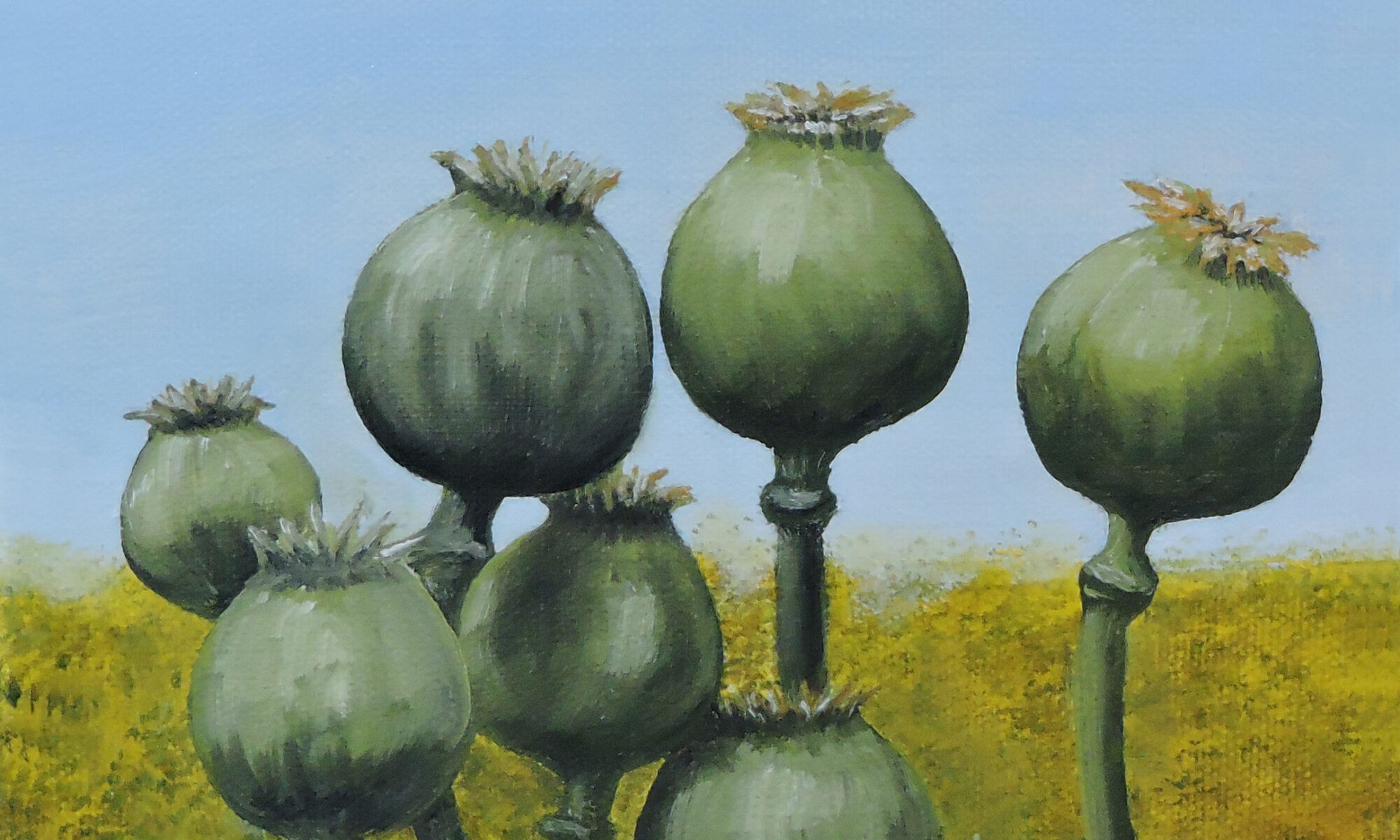
Traditional fine art—painting, sculpture, drawing—will not disappear. People still want to stand in front of something made by hand, something with weight and presence. These works carry history and emotional depth that digital pieces can’t fully replace. They remind us of the discipline, patience, and purpose behind the craft.
Digital art brings exciting possibilities, but it also raises questions about permanence. Files can be lost. Platforms change. Technology moves fast. A physical painting or sculpture doesn’t depend on a server or a software update. It exists in the room with you. That stability gives traditional fine art a kind of grounding that digital mediums can’t guarantee.
Rather than being replaced, traditional forms will coexist with emerging ones. They may become rarer, more valued, and more carefully preserved—but they will remain vital. Fine art’s future isn’t a choice between old and new. It’s a mix of both, each adding something different to the conversation.
My Closing Reflection
As a realism artist working in today’s world, I see the future of fine art not as a threat to tradition, but as an invitation to expand its reach. Whether created with brush or stylus, what defines fine art is the artist’s intent to speak truthfully, to evoke emotion, and to leave a mark that endures. That commitment to meaning is what carries fine art forward, no matter how the tools evolve.
Art Gallery Quick Links
Animals | Flowers | Landscapes | Marine
People | Space Art | Still Life
Additional Reading
Fine Art: It Isn’t What You Think
Why Physical Paintings Still Matter in a Digital World
Have a question?
If you have a question about this blog on the future of fine art, please contact us. We’ll be happy to answer your questions.
Thanks for reading this!
Feel free to share this with your friends.