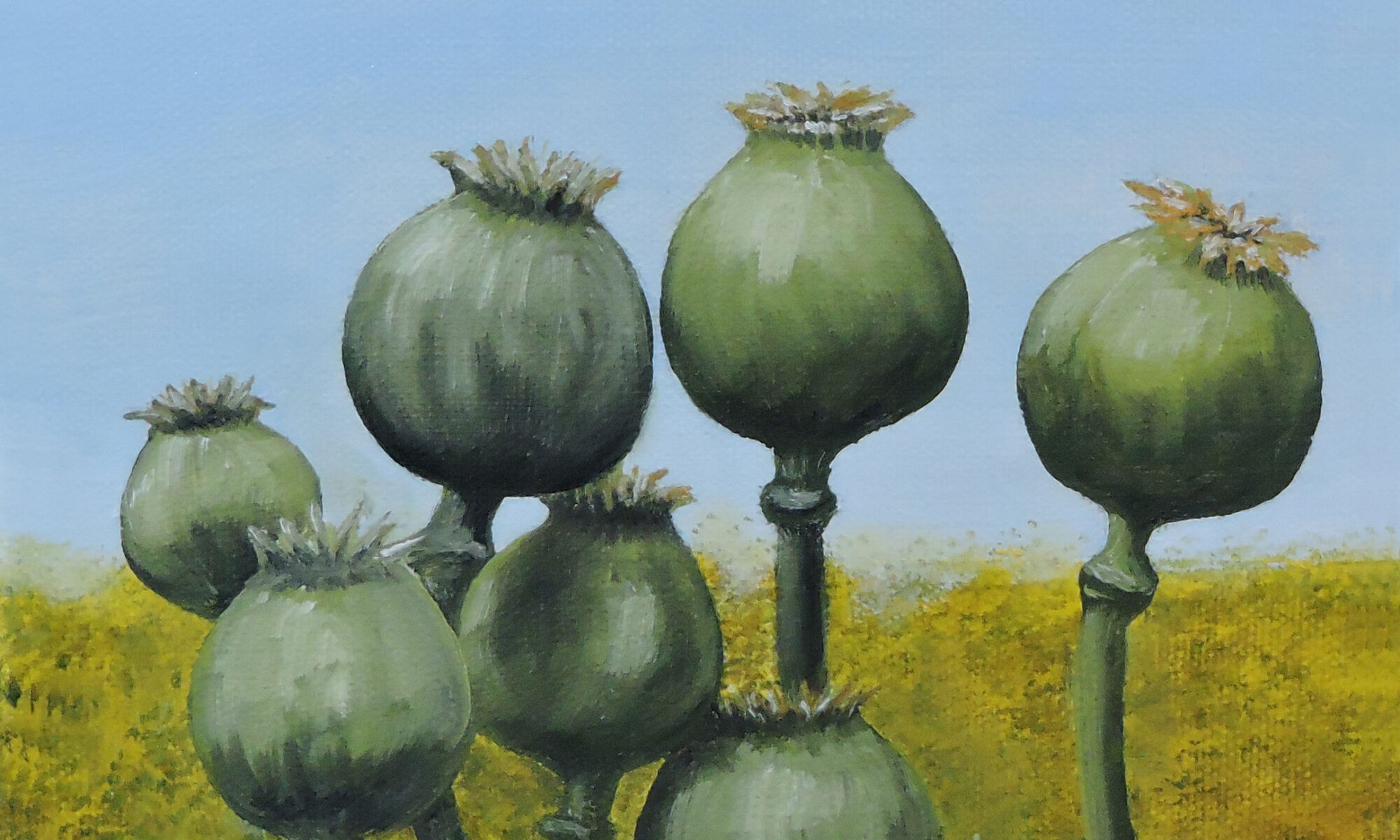

Physical art vs NFTs: a quiet case for what endures.

The Rise of NFTs—and What They Really Are
In an age where everything seems to be going digital—from books to banking to art—it’s easy to assume that physical paintings might be losing their place. But I believe the opposite is true. As digital saturation increases, the desire for something real, tactile, and emotionally resonant grows stronger than ever.
Yes, NFTs are part of the future. They offer collectors a way to own digital tokens tied to artwork, and they’ve opened new doors for artists to share their work globally. But let’s be clear: an NFT is not a painting. It cannot hold brushwork, texture, or the shifting play of light across a room. It cannot carry the soul of a piece that hangs in your home, shaping your space and becoming part of your story.
What Collectors Still Crave
Collectors, museums, galleries, and private buyers will still want—and need—physical artwork. They want to live with it, not just look at it on a screen. They want the aura of the original, the presence that no pixel can replicate. And as someone who has spent decades creating realism with depth and emotion, I know that what I put on canvas cannot be fully translated into a digital file.
Owning a painting is never passive—it is an active relationship. Collectors will continue to be part of the dialogue between artist and artwork. They will shape how the piece exists in their space and how it will continue to speak over time. A physical painting will keep responding to its environment: morning light will reveal one mood, evening shadows another, and guests will pause before it. Its presence will keep anchoring the room in ways no digital file ever can or will. These lived experiences will never be minted or downloaded. They will remain the essence of why originals endure.
Why Physical Art Will Rise in Value
As the digital world expands, the value of physical paintings will rise in contrast. Screens may dominate our daily lives, but saturation breeds fatigue. People will increasingly seek what feels authentic, tangible, and lasting. A painting offers permanence in a culture of constant updates, grounding collectors in something handmade and enduring.
Digital art, by comparison, often feels sterile—cold, detached, and without presence. It also shifts constantly, creating environments that feel busy, agitated, and restless. A physical painting offers the opposite: calm, warmth, and character. It becomes a place to pause, to escape the high‑energy churn of digital images. Owning an original painting won’t just be a personal joy—it will be a cultural statement and a lasting investment.
The Time to Collect Is Now
So, if you’re a collector wondering whether to wait for the NFT or invest in the original—don’t wait. The painting is here now. It’s real. It’s one-of-a-kind. And it’s part of a legacy that will outlast any trend.
NFTs may be the future. But physical paintings are forever.
Art Gallery Quick Links
Animals | Flowers | Landscapes | Marine
People | Space Art | Still Life
Additional Reading
The Future of Fine Art: What Changes, What Endures
Artist Blog Index: My Writings on the World of Fine Art
Have a question?
If you have a question about this blog on physical art vs NFTs, please contact us, and we’ll be happy to answer your questions.
Thanks for reading this!
Feel free to share this with your friends.