
My Artistic Style: How Realism Became My Signature

artistic style

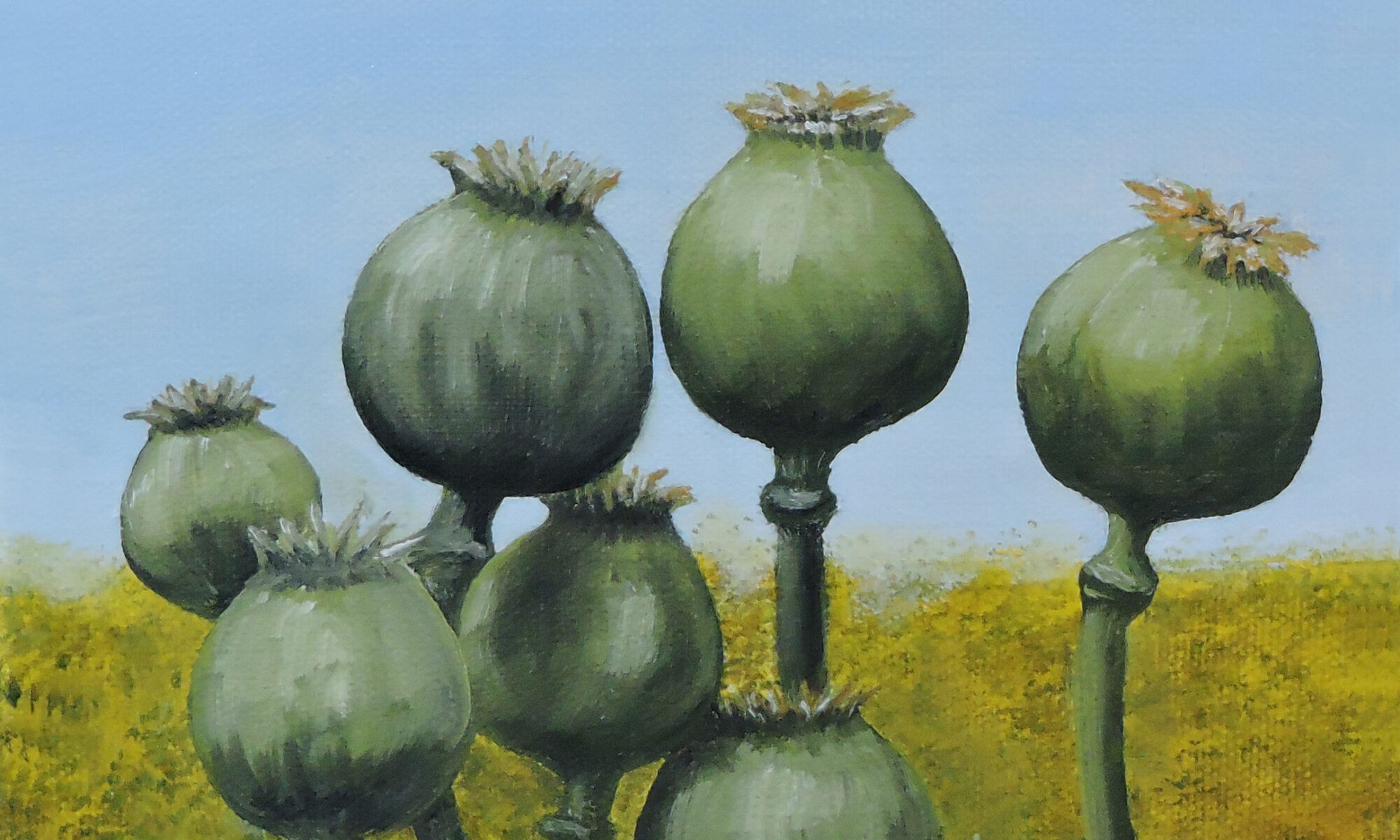
When people describe my paintings, they often use the word realism. But realism alone doesn’t define my artistic style—it’s the way I handle light, detail, and emotion that makes my work unmistakably mine.

I didn’t set out to create a “signature style.” I simply painted what felt true. Over time, that truth revealed itself in the way I composed each scene, chose my subjects, and refined my technique. One day, a fellow artist looked at several of my paintings and said, “You have your own artistic style.” That moment stayed with me—not because I was seeking validation, but because I realized I had quietly built something recognizable.

What Artistic Style Means to Me

Artistic style isn’t a formula or a trend. It’s the fingerprint of an artist’s choices—the way we handle line, form, color, and texture. For me, it’s the clarity of a lighthouse against a stormy sky, the softness of a child’s face, the glow of a Texas sunset. It’s realism, yes—but realism with heart.

My style emerged through years of painting, not through imitation. I didn’t copy the Old Masters—I studied them. I didn’t chase trends—I followed my instincts. And I didn’t try to be different—I tried to be honest. That honesty became my signature.

How My Style Evolved

In the beginning, I didn’t think much about style. I focused on learning the craft—composition, perspective, color theory. But as I painted more, certain qualities kept reappearing: precision, clarity, emotional depth. I began to see patterns in my work—not just in subject matter, but in how I handled the elements of art.

My background in fine art gave me an eye for composition and clarity. Later, graphic design sharpened my sense of structure and balance. My love of storytelling gave me a sense of mood and meaning. And my faith gave me a quiet conviction that beauty matters. All of these influences shaped my artistic style—not overnight, but gradually, through hundreds of paintings.

Why My Style Matters to Collectors

Collectors often tell me they can recognize my work without seeing the signature. That’s the power of artistic style—it creates connection. It’s not just about technique; it’s about identity. When you buy a Teresa Bernard original, you’re not just buying a painting. You’re investing in a vision that’s been shaped over decades.

My realism isn’t cold or clinical—it’s warm, grounded, and emotionally resonant. It invites you to linger, to reflect, to feel. That’s what makes it my signature—and that’s what makes it worth preserving.

Teresa Bernard, realist painter

Art Gallery Quick Links

Animals     |     Flowers     |     Landscapes     |     Marine

People     |     Space Art     |     Still Life

Additional Reading

A Graphic Designer Turned Fine Artist

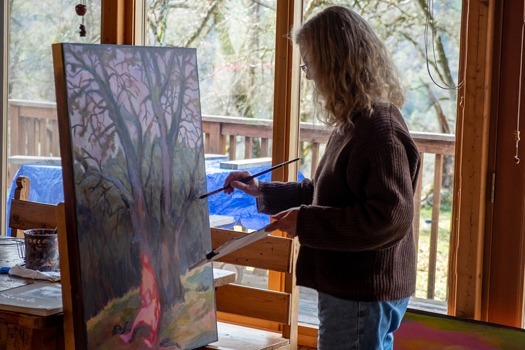
My Oil Painting Process: From Blank Canvas to Finished Work

Thanks for reading this!

Feel free to share this with your friends.


A Graphic Designer Turned Fine Artist

The journey of a graphic designer turned fine artist unfolds, tracing Teresa Bernard’s return to oil painting and the creative conviction that never let go.

From Pixels to Paint—Trading Ctrl+Z for the Art That Chose Me

graphic designer turned fine artist

“You had a thriving career in graphic design—what led you to leave that world behind and return to the raw honesty of oil painting?”

My journey from graphic design to fine art hasn’t been a straight line, but it’s brought me to a place where the brush feels more like home than the keyboard ever did.

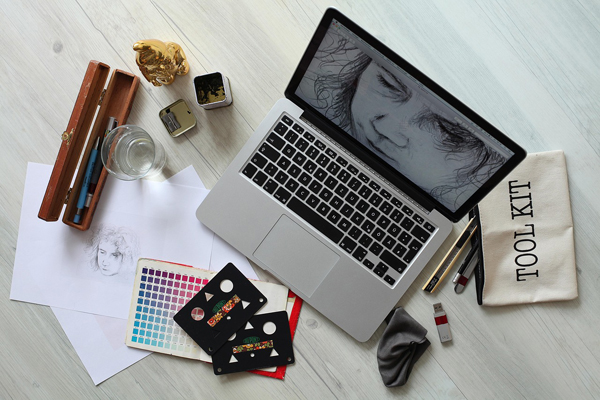
While painting was my earliest creative language—taught and nurtured by my father, a professional fine artist—graphic design became my first professional voice. I spent years shaping visual stories through type, layout, and code. I loved the precision, the instant feedback, and the way a single keystroke could open new possibilities. Mistakes? Easily undone with a quick press of the undo or delete key. It was a world of layers, grids, and ideas that could be endlessly revised, resized, or reshaped.

But over time, it all shifted.

The screen began to feel a little too perfect—too reversible. I started craving something more tactile, more vulnerable. That’s when I picked up my paintbrush again and never looked back. I realized I didn’t just want to create—I wanted to leave something behind. Oil painting gave me that chance: a way to capture fleeting moments and timeless truths in a medium that endures. I wanted my work to speak long after I’m gone, to leave a legacy shaped by brushstrokes and imagination.

Oil painting, unlike digital design, doesn’t offer an “undo” button. A misplaced brushstroke means waiting for it to dry, or painting over it entirely. But in those imperfections, I found something honest. Sometimes, the flaw steers the piece into unexpected beauty. It’s a slower, more intuitive process—one that embraces the permanence I was longing for, and the humanity I hoped to preserve.

Echoes of Graphic Design in the Art Studio

And yet, my background as a graphic designer still whispers through my oil paintings. I find myself drawn to composition, balance, negative space. Years of arranging pixels taught me how to guide the eye—but now, I compose with pigment, light, and shadow instead. The canvas may be physical, but the design principles still apply—they just breathe differently.

In many ways, graphic design was easier. But painting is truer. It’s slower, yes—but also deeper. And while there’s no Ctrl+Z—no instant “undo”—I’ve found something richer in letting the process lead me, mistakes and all.

I may be retired from the digital design world, but I’ve never stopped creating. This is just a new chapter—messier, more textured, and infinitely more rewarding.

Teresa Bernard, graphic designer turned fine artist

Art Gallery Quick Links

Animals     |     Flowers     |     Landscapes     |     Marine

People     |     Space Art     |     Still Life

Additional Reading

My Artistic Style: How Realism Became My Signature

Oil Paintings Index: A Visual Diary of My Artistic Journey

Have a question?

If you have a question about this blog about a graphic designer turned fine artist, please contact us, and we’ll be happy to answer your questions.

Thanks for reading this!

Feel free to share this with your friends.